

Best Fabrics for Resort Maxi Dresses in Hot and Humid Climates

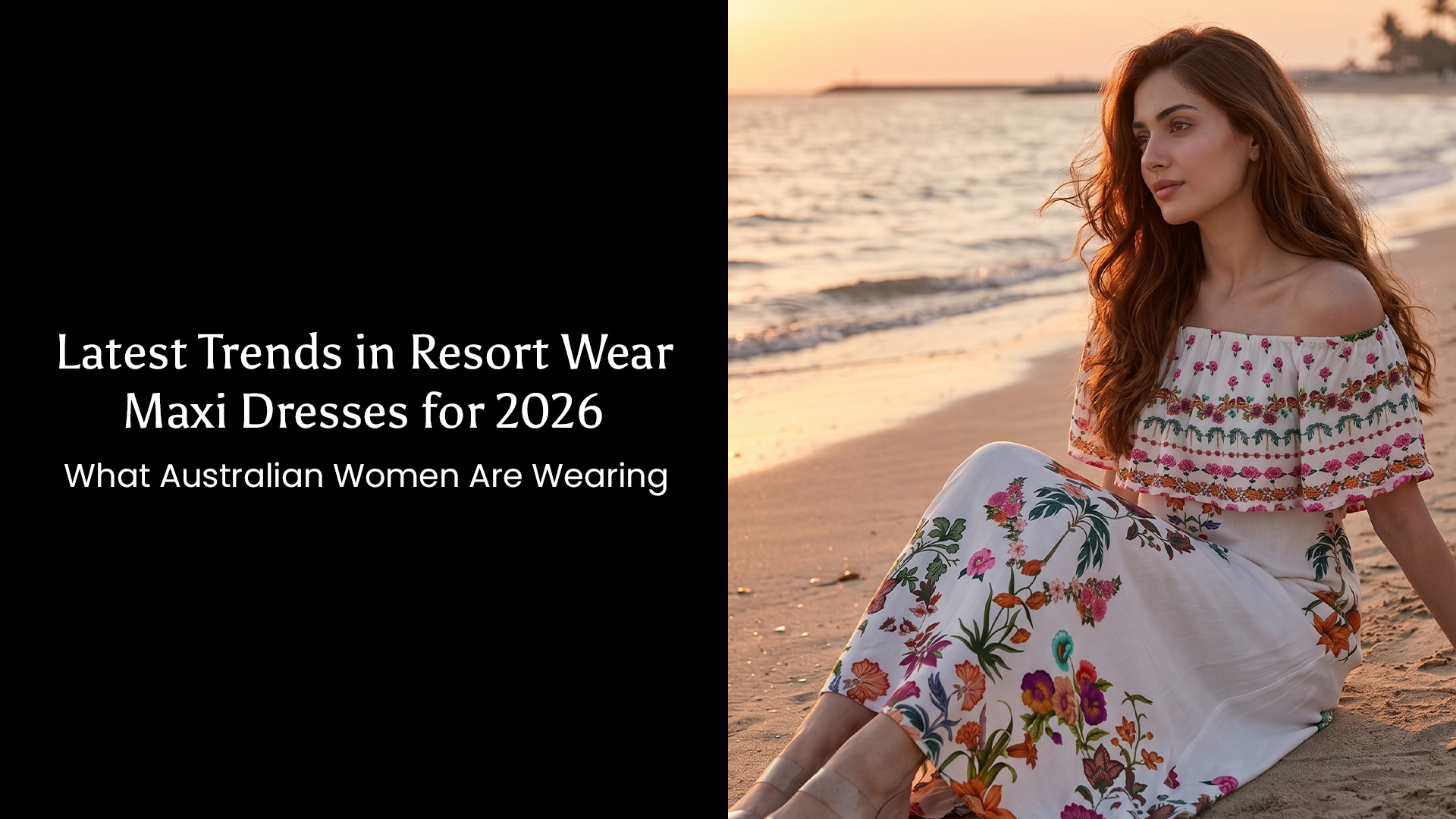
The difference between a resort maxi dress that feels extraordinary all day and one that feels uncomfortable by mid-morning almost always comes down to fabric. Silhouette matters, print matters, and fit matters, but in hot and humid climates the fabric you are wearing against your skin is the factor that determines everything else. The best fabrics for resort maxi dresses are breathable, lightweight, and move beautifully in the heat without clinging, wilting, or losing their shape as the day progresses.
For Australian women travelling to tropical destinations, whether that is Bali, the Whitsundays, Thailand, or the Pacific Islands, understanding which fabrics genuinely perform in heat and humidity is one of the most useful pieces of knowledge you can have before building a holiday wardrobe. Here is a complete guide to the fabrics worth choosing, the ones worth avoiding, and how to find resort maxi dresses Australia that deliver on every count.
Why Fabric Choice Makes or Breaks a Resort Maxi Dress in the Heat
Heat and humidity place specific demands on clothing that moderate climates simply do not. In a tropical resort setting, a fabric that traps heat against the skin becomes genuinely uncomfortable within hours. A fabric that absorbs moisture and holds it, rather than allowing it to evaporate, feels heavy and looks tired by lunchtime. And a fabric that clings when warm removes the effortless, fluid quality that makes a maxi dress such a compelling resort choice in the first place.
The right fabric does the opposite of all of these things. It allows air to circulate between the fabric and the skin, keeping the body cooler. It manages moisture by wicking or releasing it rather than holding it against the body. And it maintains its drape and movement in humidity, looking as beautiful at the end of a long day as it did when you put it on that morning.
Natural and semi-natural fibres are overwhelmingly the best performers in these conditions. Synthetic fabrics like polyester and nylon, regardless of how they are marketed, consistently underperform in tropical heat and humidity compared to natural alternatives. The gap in comfort and appearance between a silk maxi dress and a polyester maxi dress in thirty-five degree humidity is not subtle. It is the difference between feeling effortlessly elegant and wishing you had packed something else.
For a detailed look at how fabric choices connect to the broader demands of dressing in tropical climates, the guide on resort wear for tropical climates covers the full picture beyond maxi dresses alone.
Silk: The Gold Standard Fabric for Resort Maxi Dresses
Silk has been the fabric of choice for warm climate dressing for centuries, and its continued dominance in luxury resort wear is not nostalgia. It is performance. Silk is a natural protein fibre with a genuinely remarkable set of properties that make it almost uniquely suited to hot and humid resort settings.
It is lightweight in a way that few fabrics match at the same level of quality and drape. It is breathable, allowing air to circulate freely against the skin. And it is naturally temperature-regulating, meaning it responds to the body's warmth by helping to dissipate heat rather than trapping it. In air-conditioned interiors, silk provides just enough warmth to be comfortable. In tropical outdoor settings, it keeps the body cooler than almost any alternative.
The drape of silk in a maxi silhouette is also unmatched. It falls with a fluid, natural elegance that photographs beautifully in resort settings and moves with the body in a way that feels as good as it looks. Bondi Resortwear's Luxe Collection is crafted from 100% silk, producing maxi dresses that represent the finest expression of what resort dressing can be. These are pieces that feel extraordinary from the first wear and continue to perform beautifully across multiple seasons and destinations.
Silk also has natural sustainability credentials worth noting. It is biodegradable, requires significantly less chemical processing than cotton or synthetics when produced responsibly, and lasts considerably longer than most alternative fabrics when cared for correctly. For guidance on keeping silk and other natural fibre resort pieces in excellent condition, the article on how to care for your resortwear is an essential read.
Moss Silk: Structure and Breathability in Equal Measure
Moss Silk occupies a beautiful middle ground in the fabric conversation for resort maxi dresses. It shares silk's natural breathability and lightweight quality while offering a slightly more structured drape that suits certain maxi silhouettes exceptionally well.
Where pure silk falls with an almost liquid fluidity, Moss Silk has a subtle texture and a slightly firmer hand that gives garments a more defined shape. This makes it particularly well suited to maxi dresses with architectural details, pleating, or silhouettes that benefit from a fabric with a little more body. It also photographs with exceptional depth in natural light, giving printed designs a richness and dimensionality that flat, smooth fabrics sometimes lack.
In hot and humid conditions, Moss Silk performs comparably to silk. It breathes well, manages warmth effectively, and maintains its drape across a long day of wear without wilting or losing its shape. Bondi Resortwear's Elite Collection uses Moss Silk throughout, producing maxi dresses that combine genuine comfort in tropical heat with a quietly elevated aesthetic that works across every resort setting.
Premium Bamberg: The Traveller's Fabric of Choice
For Australian women who travel frequently and need resort maxi dresses that perform as well in transit as they do at the destination, Premium Bamberg is the fabric that answers every practical question. It is the foundation of Bondi Resortwear's Signature Collection and arguably the most travel-intelligent fabric choice available in luxury resort dressing.
Premium Bamberg is exceptionally lightweight, which matters when you are packing a full resort wardrobe into a single suitcase and every gram counts. It is fluid in its drape, falling with an elegance that belies its practical credentials. And it is remarkably crease-resistant, a quality that is genuinely transformative for travel. Pull a Premium Bamberg maxi dress from your suitcase after a long-haul flight and it falls beautifully, ready to wear without a steamer or an iron.
In hot and humid conditions, Premium Bamberg breathes well and maintains its shape without clinging. It is not quite as temperature-regulating as pure silk, but it performs significantly better than any synthetic alternative and carries the effortless drape that resort maxi dresses require. For women who want a fabric that handles the journey as gracefully as it handles the destination, Premium Bamberg is the answer.
What Fabrics to Avoid in Hot and Humid Resort Climates
Understanding what not to wear in tropical heat is as useful as knowing what to choose. Several fabrics that work well in moderate climates become genuinely uncomfortable in hot and humid resort settings, and it is worth knowing which ones before you pack.
Polyester is the most common fabric to avoid. Despite being marketed in various guises as breathable or moisture-wicking, polyester fundamentally traps heat against the body in tropical conditions and generates static in air-conditioned interiors. A polyester maxi dress may look appealing in product photography but will feel uncomfortable within hours of wearing in genuine tropical heat.
Heavy linen, while a natural fibre with genuine breathability credentials, presents a different problem in resort settings. It creases severely and holds those creases stubbornly, which means a linen maxi dress that looks beautiful when you leave your room can look significantly less considered by the time you arrive at a resort restaurant. Linen blends with a higher proportion of a smoother fibre perform better, but pure heavy linen remains a challenging choice for resort dressing.
Viscose and rayon are natural-derived fabrics that perform reasonably in heat but tend to cling when the body perspires and lose their shape relatively quickly in humid conditions. They are a step above synthetic alternatives but fall well short of silk, Moss Silk, and Premium Bamberg in terms of overall performance and longevity.
How to Choose the Right Fabric for Your Resort Maxi Dress
Choosing the right fabric for your resort maxi dress comes down to three questions: where are you going, how long are you travelling, and what occasions do you need to dress for?
If your destination is genuinely tropical and your itinerary includes formal resort dinners alongside daytime activities, silk is the fabric to prioritise. Its performance in heat, its natural elegance, and its ability to transition between casual and formal settings make it the most versatile choice. A silk maxi dress from the Luxe Collection handles a beach lunch and a resort dinner with equal ease.
If you are travelling for an extended period and packing light is a priority, Premium Bamberg's crease resistance makes it the most practical choice. Your maxi dress will look as good on day ten of a trip as it did on day one, without requiring access to a steamer or spending time in your cabin with an iron.
If you want the visual depth of a more structured fabric for a particular silhouette or occasion, Moss Silk from the Elite Collection delivers that quality without compromising on breathability or comfort in the heat.
Pairing a resort maxi dress with coordinating pieces in the same fabric family amplifies the overall effect. Silk kaftans Australia styles in complementary prints layer over maxi dresses beautifully for cooler resort evenings, creating a cohesive wardrobe built around fabrics that genuinely perform. For women interested in extending these fabric principles to other resort silhouettes, the guide to sustainable resort wear Australia applies the same natural fibre philosophy to kimono styles.
FAQ
Q1: What is the best fabric for a maxi dress in hot and humid weather?
Ans: Silk is the best fabric for a maxi dress in hot and humid weather. It is lightweight, breathable, and naturally temperature-regulating, meaning it helps dissipate body heat rather than trapping it. Silk also drapes beautifully in tropical conditions and maintains its elegant movement throughout a long day of wear. Moss Silk and Premium Bamberg are strong alternatives, offering similar breathability with slightly different drape characteristics suited to different silhouettes and occasions.
Q2: Is silk comfortable to wear in tropical heat?
Ans: Yes, silk is one of the most comfortable fabrics you can wear in tropical heat. Its natural protein fibre structure allows air to circulate freely against the skin and helps regulate body temperature in a way that synthetic fabrics cannot replicate. Silk feels cool against the skin even in high temperatures and manages moisture more effectively than cotton or polyester alternatives. It is the reason silk has been the fabric of choice for warm climate dressing across cultures for centuries.
Q3: What fabrics should I avoid in a maxi dress for a tropical holiday?
Ans: Avoid polyester, nylon, and high synthetic content blends for resort maxi dresses in tropical climates. These fabrics trap heat against the body, generate static in air-conditioned interiors, and feel increasingly uncomfortable as temperatures and humidity rise. Heavy linen is also worth approaching with caution as it creases severely in humid conditions. Viscose and rayon perform better than synthetics but cling when the body perspires and tend to lose their shape in extended humid wear.
Q4: Does fabric affect how a maxi dress looks at the end of a long day?
Ans: Yes, significantly. Natural fabrics like silk, Moss Silk, and Premium Bamberg maintain their drape and movement across a full day of wear in tropical conditions. Synthetic fabrics and heavy linens tend to look increasingly tired as the day progresses, losing their shape, developing static cling, or holding creases from sitting. A silk or Premium Bamberg maxi dress that looked elegant at breakfast will still look elegant at dinner. The same cannot be reliably said of a polyester alternative at the same price point.
Q5: Is Premium Bamberg a good fabric for travel to hot climates?
Ans: Premium Bamberg is an excellent fabric for travel to hot climates, particularly for women who need resort maxi dresses that perform as well in transit as at the destination. It is lightweight, breathable, and exceptionally crease-resistant, emerging from a suitcase ready to wear without steaming or ironing. In tropical heat it performs well, breathing comfortably and maintaining its fluid drape without clinging. It is the most travel-intelligent fabric choice available in Bondi Resortwear's luxury resort collections.
The fabric you choose for your resort maxi dress determines how you feel on holiday, how long the piece lasts, and how effortlessly elegant you look from the first day of your trip to the last. Invest in natural fibres that perform in the heat, choose prints that are genuinely your own, and build a resort wardrobe around pieces that travel as beautifully as they wear. Explore the full range of resort maxi dresses Australia at Bondi Resortwear and find the fabric and silhouette that was made for where you are going.