

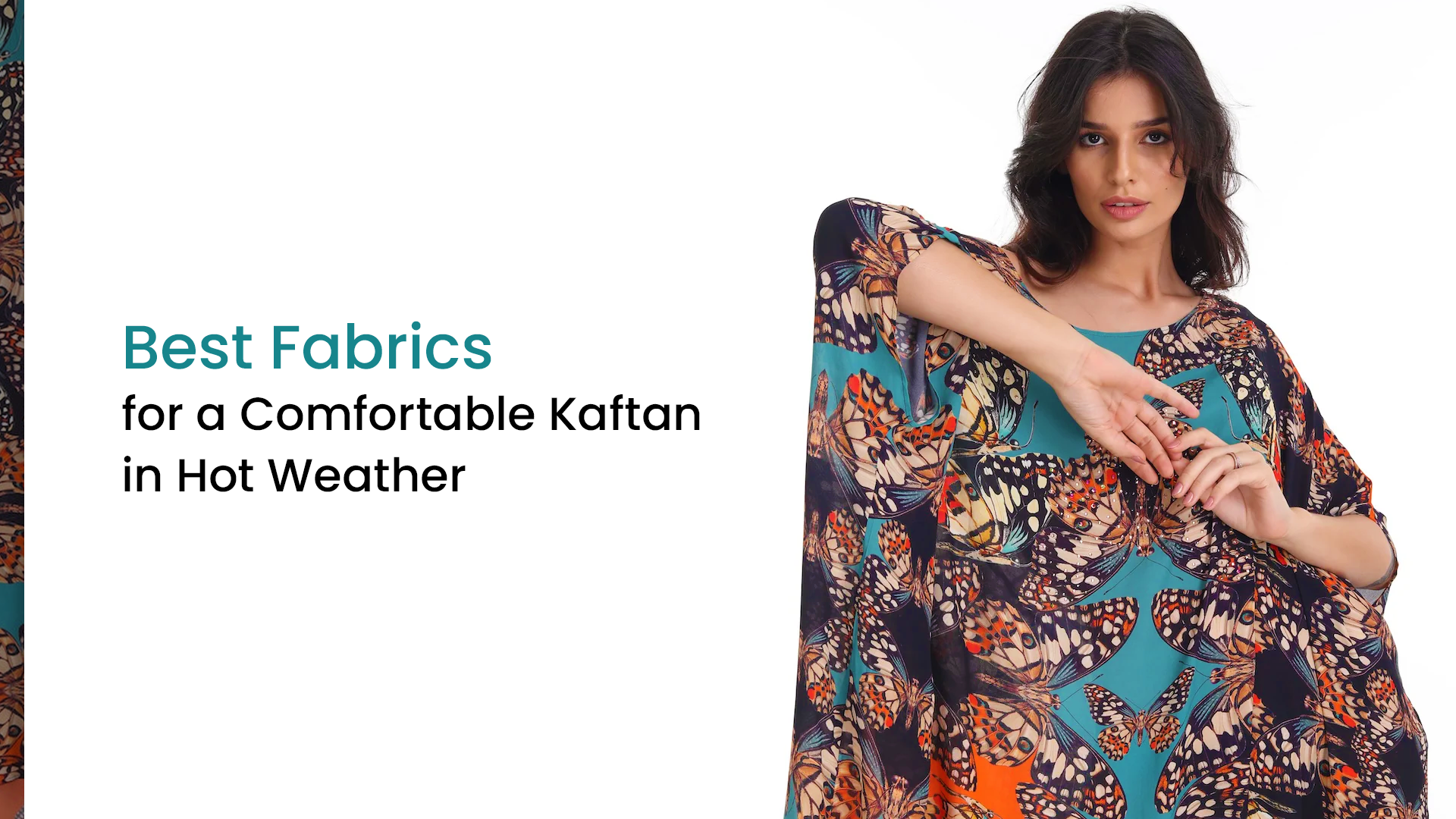
Best Fabrics for a Comfortable Kaftan in Hot Weather
When temperatures rise, comfort becomes non negotiable. A kaftan is already one of the most breathable and relaxed garments you can wear, but the fabric determines whether it truly performs in hot weather. The wrong material can feel heavy, sticky, or restrictive. The right fabric feels light, airy, and effortless.
If you are choosing a kaftan for Australian summers, tropical holidays, or humid climates, fabric should be your first consideration. This guide explains the best fabrics for a comfortable kaftan in hot weather, what to avoid, and how to choose wisely.
Why Fabric Matters More Than Style in Heat
Kaftans are naturally loose and flowy, which supports airflow. But if the fabric is thick or non-breathable, even the best cut will feel uncomfortable.
In hot weather, fabric needs to:
• Allow air circulation
• Absorb or release moisture
• Feel soft on the skin
• Move freely without clinging
When these qualities are present, a kaftan feels cool and wearable all day. When they are missing, the garment may trap heat or feel heavy.
Cotton, The Reliable Hot Weather Choice
Cotton is one of the most popular fabrics for hot climates. It is breathable, soft, and lightweight when woven properly.
Benefits of cotton kaftans:
• Excellent airflow
• Natural fibre comfort
• Easy care and washing
• Ideal for everyday wear
Cotton works especially well for daytime kaftans, beach outings, and casual summer wear. It absorbs moisture and allows heat to escape, which helps keep the body cooler.
For extremely humid environments, lighter cotton weaves perform best.
Silk Blends for Lightweight Luxury
Silk blends offer a more elevated feel while still performing well in heat. Pure silk can sometimes feel delicate, but blended silk fabrics often provide both softness and durability.
Why silk blends work:
• Smooth, lightweight drape
• Elegant movement
• Breathable when blended correctly
• Suitable for evening wear
Silk blend kaftans are ideal when you want a refined look for dinners or special occasions in warm weather. The fabric flows beautifully and feels light against the skin.
Viscose and Rayon for Soft Flow
Viscose and rayon are semi-natural fibres known for their fluid drape. They mimic the softness of silk while remaining lightweight and breathable.
Advantages include:
• Smooth, cool feel
• Excellent drape
• Lightweight construction
• Comfortable in warm climates
These fabrics are especially flattering in kaftan silhouettes because they enhance movement and create a soft vertical line. In hot weather, flow is a major comfort factor.
Linen for Dry Heat Climates
Linen is well known for its cooling properties. It allows air to move freely and feels crisp and breathable in dry heat.
Benefits of linen kaftans:
• Strong airflow
• Natural cooling effect
• Durable structure
• Ideal for dry summer climates
However, linen wrinkles more easily than other fabrics. If you prefer a smoother appearance, blends may be more practical for travel.
Fabrics to Avoid in Hot Weather
Not all fabrics perform well in heat. Certain materials trap warmth and restrict airflow.
Avoid:
• Heavy polyester
• Thick synthetic blends
• Stiff fabrics with no drape
• Thick layered constructions
These materials can feel sticky and uncomfortable, especially in humid environments. Breathability should always be the priority.
How Fabric Weight Affects Comfort
Even within the same fabric type, weight matters. A heavy cotton or thick viscose will not feel as breathable as a lighter weave.
When choosing a hot weather kaftan, look for:
• Lightweight construction
• Soft drape
• Thin, breathable weave
The lighter the fabric, the better it performs in high temperatures.
Choosing the Right Fabric for Different Occasions
Different settings call for slightly different fabric choices.
For beach and daytime wear
Lightweight cotton or soft viscose works best.
For resort dinners or evenings
Silk blends or refined flow fabrics feel elegant but breathable.
For very dry, high heat climates
Linen or linen blends are excellent.
Matching fabric to environment ensures maximum comfort.
Caring for Kaftan Fabrics in Summer
Hot weather means more frequent washing. Choose fabrics that are easy to maintain.
Cotton and viscose are usually machine-friendly, while silk blends may require gentler care. Always check the label before washing.
Proper care maintains softness and breathability over time.
Final Thoughts
The best fabrics for a comfortable kaftan in hot weather are lightweight, breathable, and fluid. Cotton offers everyday practicality, silk blends add elegance, viscose delivers softness and drape, and linen supports airflow in dry heat.
When fabric is chosen thoughtfully, a kaftan becomes one of the most comfortable garments you can wear in summer. Prioritising breathability and movement ensures that style and comfort work together rather than against each other.
FAQs
What is the coolest fabric for a kaftan in hot weather
Lightweight cotton and linen are among the coolest fabrics because they allow strong airflow and natural heat release.
Is silk too hot for summer kaftans
Pure heavy silk can feel warm, but lightweight silk blends are breathable and suitable for evening wear in hot climates.
Are synthetic fabrics good for hot weather kaftans
Most heavy synthetics trap heat and are not ideal. Lightweight blends with breathable construction may work, but natural fibres are generally better.
Which fabric is best for humid climates
Soft viscose and lightweight cotton are excellent for humid conditions because they feel cool and allow airflow.