

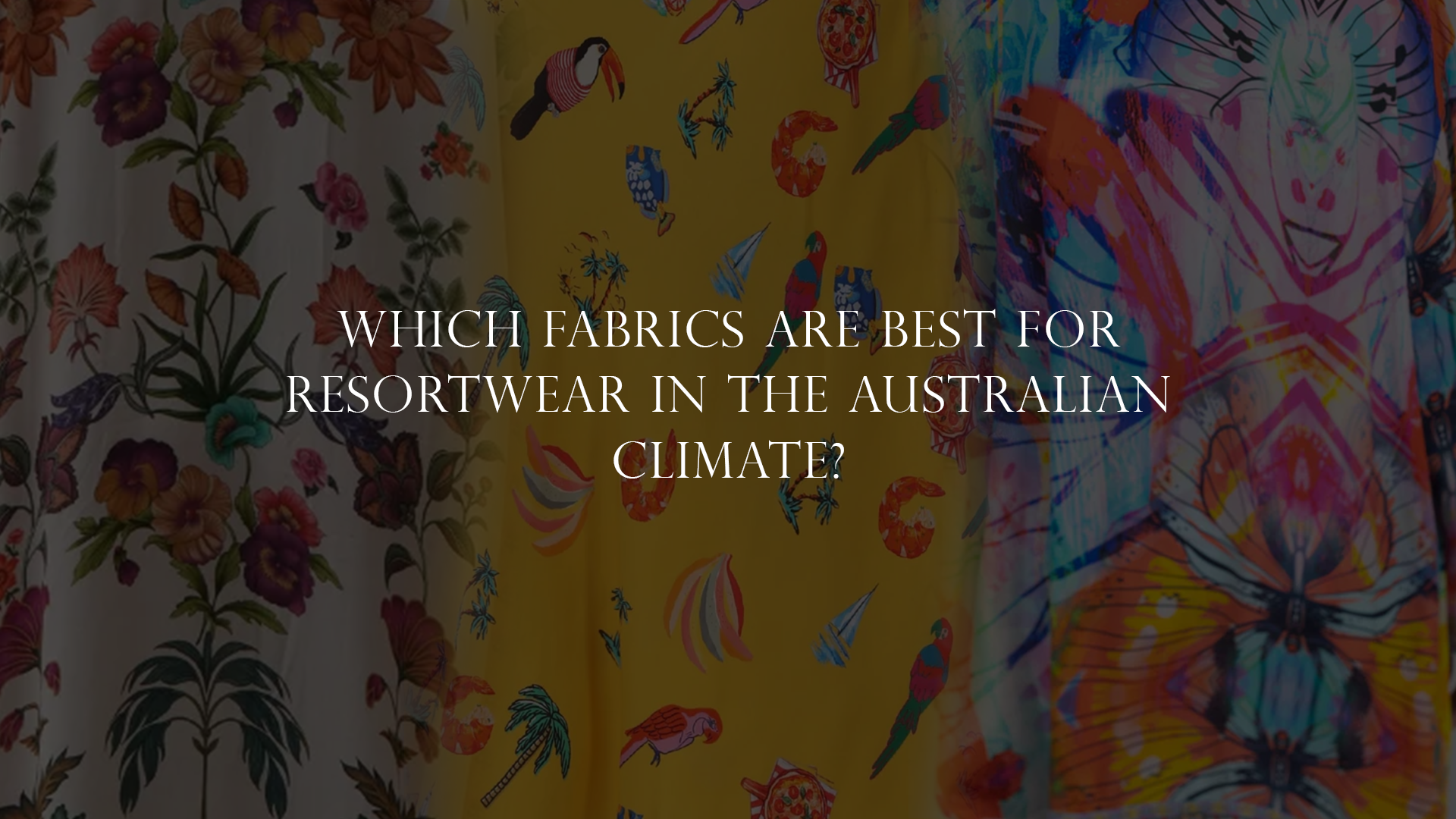
Which Fabrics Are Best for Resortwear in the Australian Climate?
Australia’s climate plays a major role in how people dress, especially when it comes to resortwear. With long summers, high humidity in many regions, and a lifestyle that often moves between indoors and outdoors, fabric choice becomes just as important as design. The right fabric can make an outfit feel breathable, comfortable and effortless, while the wrong one can feel heavy, sticky or restrictive.
If you’re shopping for resortwear or building a warm-weather wardrobe, understanding fabrics will help you choose pieces that truly work for the Australian climate.
Why Fabric Choice Matters in Australia
Australia experiences a wide range of climates, from dry heat to tropical humidity and coastal breezes. Resortwear is often worn for extended periods during the day, whether at the beach, by the pool, sightseeing, or attending long lunches and evening events.
In these conditions, fabrics need to allow airflow, manage heat, and feel comfortable against the skin. Lightweight construction, breathability and movement are essential. Fabrics that trap heat or hold moisture can quickly become uncomfortable, no matter how beautiful the garment looks.
Best Fabrics for resort wear
Silk and Silk-Like Fabrics
Silk is one of the most popular fabrics for resortwear, and for good reason. It is naturally breathable, lightweight and smooth on the skin. Silk drapes beautifully, making it ideal for flowing dresses, kaftans and evening resortwear.
In warm Australian conditions, silk allows air to circulate and helps regulate body temperature. It feels cool to the touch and does not cling as much as heavier materials. Silk-like fabrics, often blended with modern fibres, offer similar benefits with added durability and easier care.
Best for
Maxi dresses, kaftans, evening resortwear and holiday dinners.
Cotton and Cotton Blends
Cotton remains one of the most practical and widely used fabrics in Australian resortwear. It is breathable, soft and absorbs moisture well, making it comfortable for hot days.
Pure cotton is excellent for casual resort pieces, while cotton blends can offer improved drape and reduced creasing. Cotton works particularly well for daytime wear, beach dresses and relaxed silhouettes.
However, cotton can sometimes feel heavier when damp, so lighter cotton weaves or blends are often better for humid regions.
Best for
Day dresses, casual resortwear, beach outings and everyday summer wear.
Linen and Linen Blends
Linen is a favourite for Australian summers because of its exceptional breathability. Made from flax fibres, linen allows heat to escape easily and dries quickly, which is ideal for hot and humid climates.
The slightly textured look of linen gives resortwear a relaxed, natural feel that suits coastal living. Linen blends are especially popular, as they retain breathability while reducing wrinkling and improving softness.
Best for
Relaxed resortwear, coastal outfits, travel and daytime dressing.
Rayon and Viscose
Rayon and viscose are plant-based fabrics designed to mimic the feel of natural fibres. They are lightweight, breathable and soft, making them a popular choice for resortwear.
These fabrics drape well and move beautifully, which suits flowing silhouettes such as kaftans and wrap dresses. They tend to feel cooler than many synthetic fabrics and are comfortable for long wear.
However, quality matters. Well-made rayon and viscose garments perform much better in warm weather than cheaper versions.
Best for
Flowing dresses, printed resortwear and lightweight summer styles.
Modal and Tencel
Modal and Tencel are modern fabrics derived from natural fibres, often eucalyptus or beechwood. They are known for being breathable, smooth and moisture-wicking.
In Australian conditions, these fabrics perform well because they stay cool and resist that sticky feeling that can occur in heat. They are often blended with other fibres to add softness and stretch.
Best for
Comfort-focused resortwear, travel outfits and all-day wear.
What to Be Careful With
Not all fabrics perform well in the Australian climate. Heavier synthetics like polyester or nylon can trap heat and moisture, especially in humid conditions. While some modern blends are improved, fully synthetic fabrics may feel uncomfortable during long periods outdoors.
If synthetic fabrics are used, they work best when blended with breathable fibres or used in lightweight constructions designed specifically for warm weather.
Fabric Weight and Weave Matter Too
Beyond fibre type, the weight and weave of a fabric significantly impact comfort. Lightweight weaves allow air circulation, while tight or heavy weaves can feel suffocating.
When choosing resortwear, look for fabrics that feel light in your hands, move easily and don’t feel stiff. Even breathable fibres can feel uncomfortable if the fabric is too dense.
Choosing Fabrics Based on How You’ll Wear Them
Different activities call for different fabrics. For beach days and casual outings, cotton, linen and rayon work beautifully. For evenings and special occasions, 100% silk and silk-like fabrics offer elegance while staying comfortable.
If you plan to travel or wear pieces for long hours, blended fabrics that combine breathability with durability are often the most practical choice.
Final Thoughts
The best fabrics for resortwear in the Australian climate are those that prioritise breathability, lightness and comfort. Silk, cotton, linen, rayon and modern plant-based fabrics all perform well when chosen thoughtfully.
Understanding fabric properties helps you invest in pieces that look good and feel right in real conditions. Resortwear should support the Australian lifestyle, not restrict it. When fabric and climate work together, dressing for warm weather becomes effortless and enjoyable.